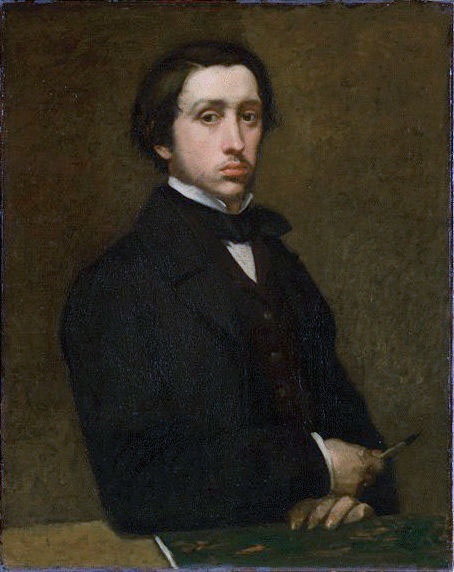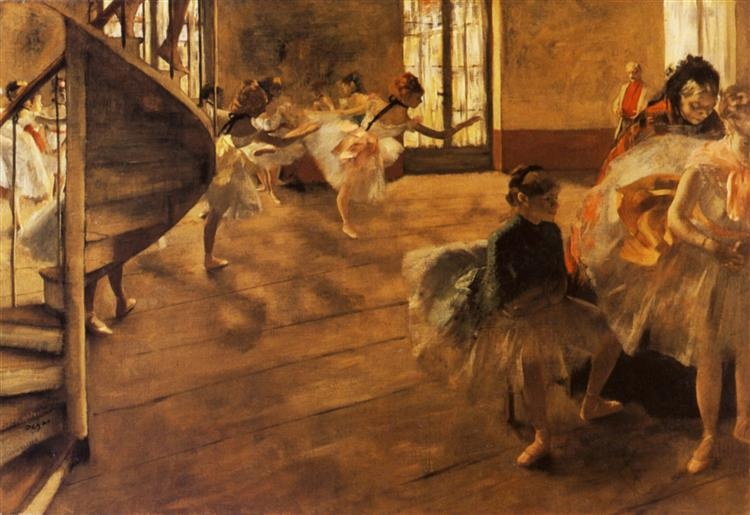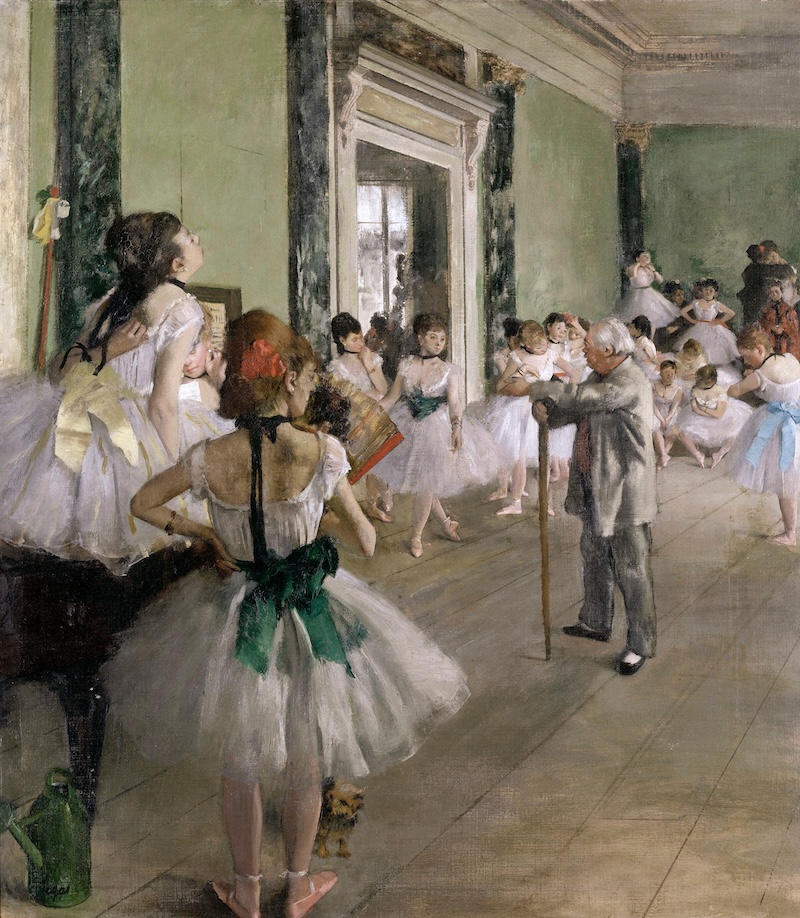
Edgar Degas (1834-1917) was a French artist often associated with the Impressionist movement. While many Impressionists focused on outdoor landscapes, Degas was more interested in scenes of modern urban life. He closely observed people at work and at leisure, capturing quiet moments of everyday activity in Paris.
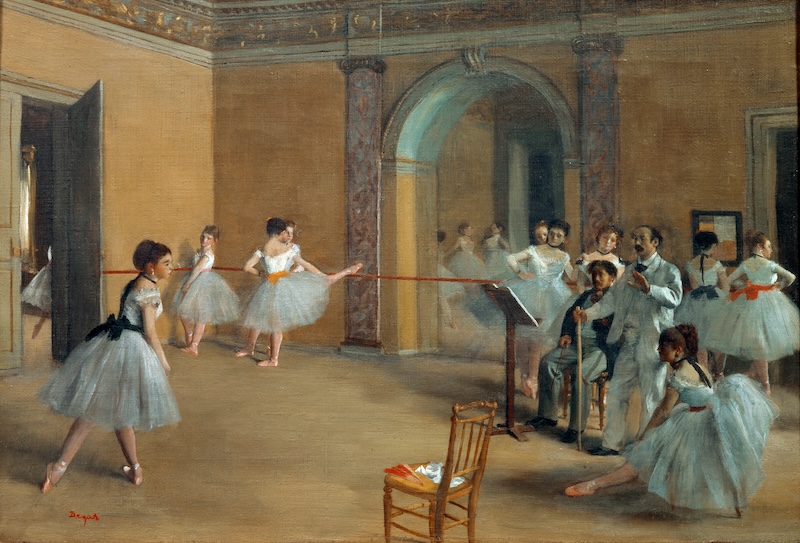
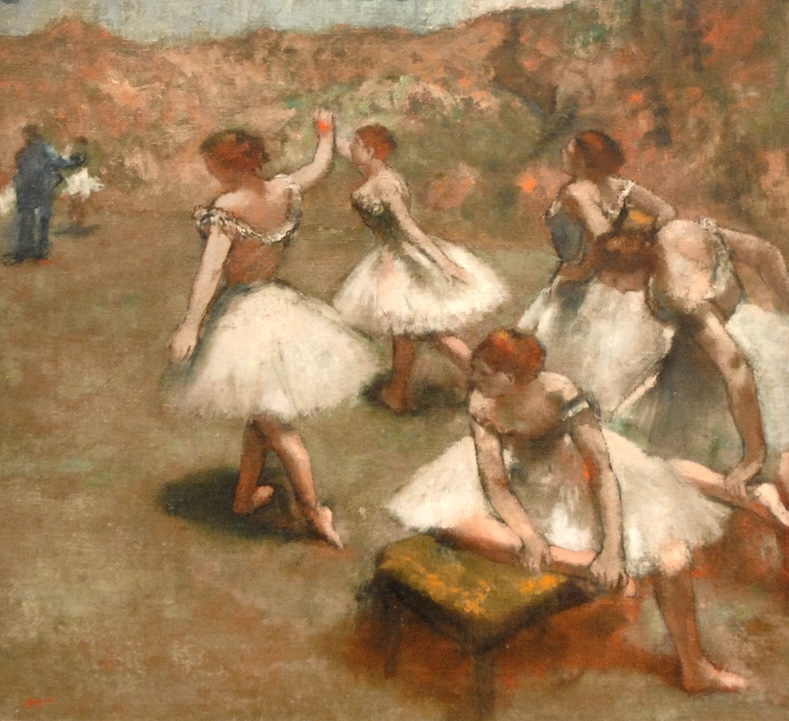
Degas is especially famous for his paintings and drawings of ballet dancers. Instead of showing polished performances on stage, he often painted rehearsals and backstage moments. These scenes reveal dancers stretching, adjusting costumes, or resting between movements, giving viewers a glimpse of the hard work behind the elegance of ballet.
His compositions are known for unusual angles, cropped figures, and a strong sense of movement. Degas experimented with different materials throughout his career, including oil paint, pastel, and sculpture. These techniques allowed him to explore light, gesture, and the human figure in new ways.
Today, Degas is considered one of the most important artists of the nineteenth century. His work continues to influence artists and designers through its study of motion, color, and modern life.
Edgar Degas was deeply interested in studying movement and gesture. He frequently observed dancers at the Paris Opera, sketching rehearsals and backstage moments rather than formal performances.
Unlike many Impressionists who painted outdoors, Degas preferred working in the studio. His compositions often feature unusual cropping and viewpoints influenced by photography and Japanese prints.
Later in life he experimented heavily with pastel and sculpture, creating studies of dancers that explored posture, balance, and motion.
One of Degas' famous paintings depicting dancers in rehearsal.
A vibrant depiction of dancers performing under stage lights.
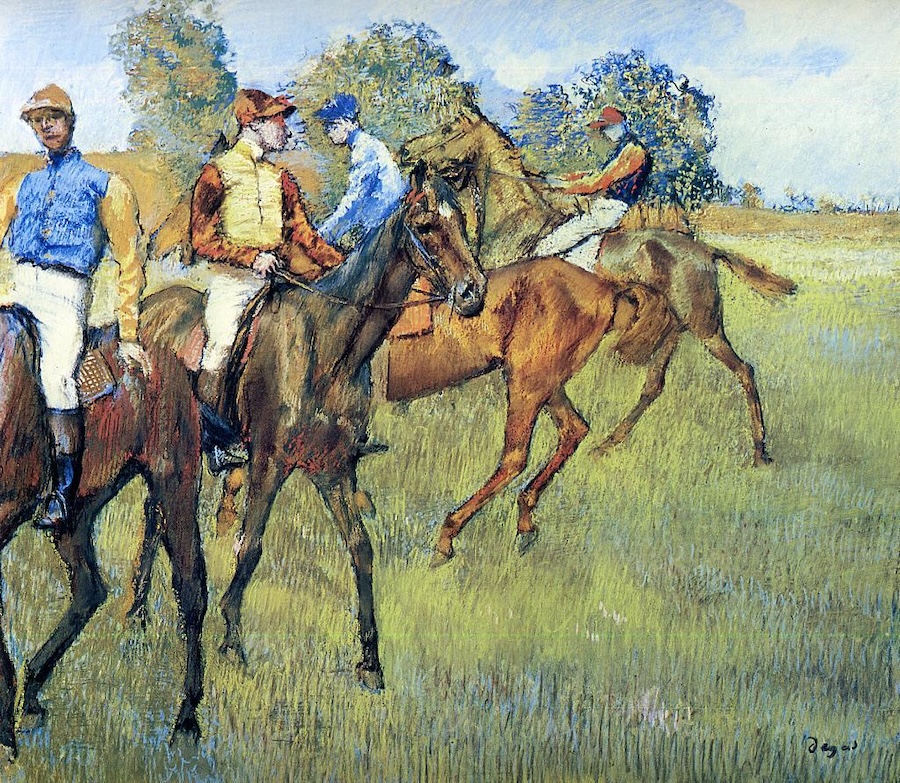
Degas also painted horse racing scenes and movement studies.